So, these photographers who taught us how to live die. We never knew them until they have an obit. Their legacy is to show us what they saw, making us see better.
Cantor Efraim Sapir, Dead at 69

So, at his funeral service, which I didn’t attend because Sharon and I were out of town and didn’t know about it, the presiding Rabbi said God didn’t take Cantor Sapir, he took himself.
Why? I don’t know. I wish I knew before he did it. Many wish they did, too. Could we have helped him? Who knows? Everyone must make their own decision when to live and when to die. Some may need to be told how much they are loved.
I didn’t know him well or for so long. We were the same age, almost. I envisioned growing old with him, learning more about all the things he knew: music, humor, talmud and the meaning of life. I don’t have many friends; he could have been one.
Cantor’s voices connect prayers with God. Efrain loved to sing in Temple, using melodies to rid the congregants of self-consciousness, elevating their thoughts and minds to holy places. He’d pause between some phrases to look out into the audience, listening for proof he had connected, him to them and them to the angels. He once told me that he had observed me banging my prayer book on a pew during a prayer and that I had used an alternative beat. I sit in the last row; how observant.
We did a photo shoot in my studio, a formal shot for the hallway and the Temple Anshei Shalom bulletin. It took two hours. He was dressed perfectly, hair groomed, suit/shirt/tie selected for the occasion. We exchanged stories, listened to cantorial music and played with the lights. During one song by a noted Cantor, he explained the guy was just singing nonsense words, because the music was so beautiful and he wanted to sing along. I told him, after the shoot, how handsome he was and what a joy it was to photograph him. He said he never saw himself as being so good looking and that my images made him very happy.

The shot of him holding the Torah after the reading was the last shot of him. Taken two weeks before his death at Morning Minyan, it is not my usual kind of photograph. He isn’t looking at the camera and really doesn’t know or care I am in front of him. I usually go for the head, but I was drawn to his hands and the words on the Torah cover. You can see the joy in his heart, his love of Torah and feelings for humanity.
The Photo Gods helped me shoot this image. I wish God had helped me with fix his self image. He was a beautiful man, a significant man. My life will be less without him. You see, sometimes it isn’t how long you know someone but how well.
Koramatsu, Not Again

The Morikami Museum and Japanese Gardens has a chilling exhibit. Featured are the bags carried by Japanese to internment camps. These tickets, replicas of the actual ones which directed the people to one of seven camps, show how insensitively and how inhumanely the US Government dealt with people within our borders who had ties to a nation with whom we were at war.
The internment of Japanese during the 2nd World War was wrong. Treating those from Syria who would seek asylum or the 2,000 who have already been vetted the same way would be worse. Have we not learned that in addition to being the world’s policemen, we are a homeland for the oppressed. Our country has the resources to deal with its problems, just not the will. Revisit what we did. Look at the MSS St. Louis. We just need to be careful and the vetting needs to be smartly done. But our borders should remain open to those who need our protection and to those who want to become part of a nation with a conscience.
Rabbi Tobias Rothenberg, 94
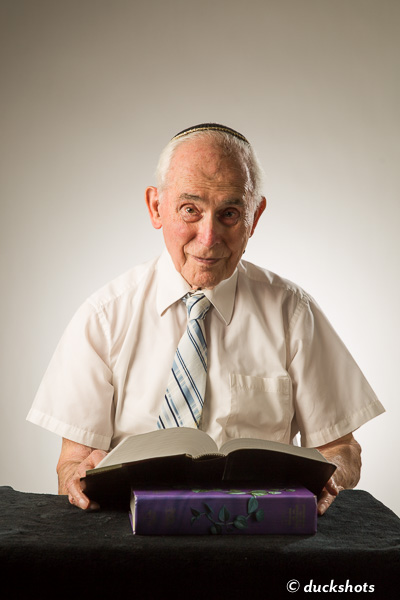
Rabbi Rothenberg says he is a collector, bordering on hoarder. He built a library at Temple Anshei Sholem which shelves 2.000 books. He studies talmud, leads prayer and remains dutifully loyal and connected to his wife, Ethel.

Part of living a long life iinvolves luck. Part of it has to be love. And part of it is having a home care worker.
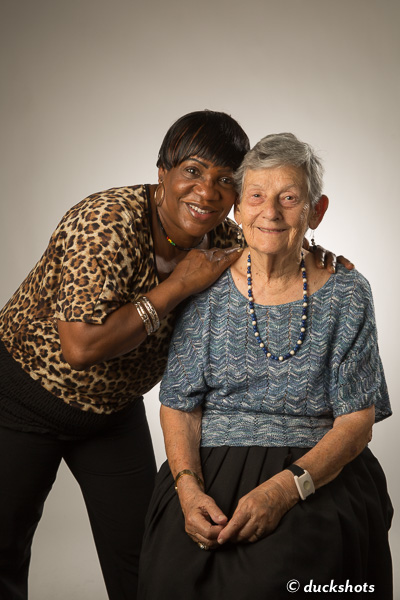
How else would you get around?
Swamp Rat

I used to walk on the bike path abutting Lake Champlain. Seagulls screamed. And occasional rodent looking creature would wander by. The sky changed. The Adirondacks, too, adjusted their colors. But, by and large, the Lake stayed the same, except for some ice and waves. Underneath its surface, boats lay. People fished, but pollution and invasive species had driven out eatable fish
Now I walk at Arthur R Marshall Loxahatchee – National Wildlife Refuge. There’s a swamp walk and a marsh trail. People bike and walk. You can rent canoes or take a tour on a boat. Butterflies flutter. Birds flyby. When its cool and they are hungry, gators surface. Invasive plants have taken over here, too. And golf courses have robbed the place of water needed to support fish life which would bring more birds by.

I’m learning to love it. Swamps seem dead. Monotone in tone, except for some green ferns, brown trees and azure algae, they offer little contrast and no colors of deep emotion or bright feeling. Everything below seems dead or dying. Scat of different sizes, shapes and color lays around. Light flutters, every once in a while, peeking between limbs, bouncing off leaves made shiny by morning dew or their natural enamels. Frogs chirp, the male ones advertising for mates. Little birds fly through narrow spaces. Spiders make webs, hoping to snag a meal. Things live. Things die. It smells. Nothing spectacular or exciting, except the nature.
Rita Erstein, 91, And Her Memories
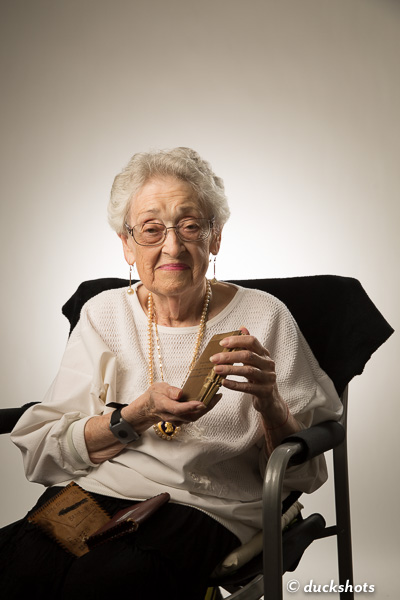
When I shoot portraits, I ask that the sitters dress a certain way. I suggest they bring a prop or two. It gives me something to talk about and having something special in the hands of the person posing makes them realer. The stories, genuine as they can be, elevate the shoot like nothing else can.
So, Rita’s part of a project to shoot old/old people. She called me young. “I’m not young. I am young old. You are old/old. I am honored by your presence.” She reluctantly took off her glasses, telling me, “I don’t like my bags.” Hey, Rita! You get bags by getting to be your age. And besides, “you are beautiful.”
As for the book. Her husband, Buzz, whom she married after WWII carried it in France during the war. It was a book of Jewish prayers given out by the Army. He carried it in his breast pocket, because it felt uncomfortable in his rear pants pockets. When the German bomb exploded, he caught shrapnel all over his body, but not his heart. The book protected him.
Richard Horowitz, Baton Maker, Dead
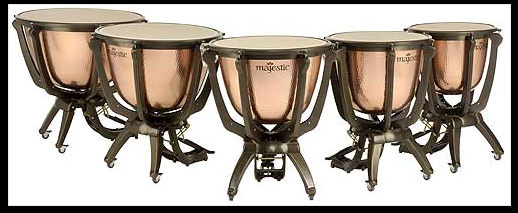
Richard Horowitz died. He left the world better than he found it.
He played Timpani drums and made conductors batons. Nothing is seen more during a symphony concert than a baton. And nothing is more welcomed than the beat of the timpani drum. One might think that the drummer doesn’t even have to be a musician. Just wait patiently for the right moment and barge right in.
No member of the orchestra can set the dramatic tone fast or more effectively than a timpani drum. No one can lead an orchestra without a baton. Richard had his drum set right in front of him. Armed with what you can be sure was one of his homemade drumsticks, he waited the conductors cue. Vmmmm, Bam.
Salisbury, VT – Forgotten Lives

So, I used to live in Salsibury, VT. Still have two friends who called themselves, “The Lake People.” They lived on Lake Dunmore, just up the road from Keewadin Dunmore, a camp for the privileged. People weren’t so friendly in Salisbury. Not a lot of Jews. A smelly egg place. Some antique stores. And the put in the power lines that drove out the wildlife, ruining my view.
I loved our house. Sharon hated it. Always cold. Bugs. Mice. Fear it would slide off the side of the rock.
We had turkeys and deer in the front yard. Hoards of mosquitos. Snow drifts that cost a fortune to plow. Wasps. Trees felled by lightning. Maple trees which someone tapped, paying us off in syrup of all grades. Our lives there were complicated.
When the cost of upkeep became too great and the ability to earn a living disappeared for many, people just left. We managed to sell our place. The new owner defaulted.
Luca, Photographer, Likes His 50MM CanonL 1.2

I always have a camera with me, except when I intentionally don’t. Jay Maisel said it was the first rule of photography: always have a camera with you that you know how to operate. My camera, Walker Evans, doesn’t like to stay in the car. He could attract thieves. And he doesn’t like the heat. Besides, how do I make a photo if I don’t have a camera?
Why not carry it? Somedays I just want to look. I want to see more things and not just ones that might be photographical. I also scout better when I am not thinking of shooting, maybe because I feel six pounds lighter.
So, we are shopping in Boca at Whole Foods after seeing the exhibition at the Boca Museum. On my shoulder is a Canon Mark III and a 50mm, L1.2 lens. A clerk in the produce section walks over and asks, “That a 50,1.2! How do you like it?”
“I love it.” It’s Walker’s favorite lens; my favorite walking around lens. I took shit from Dominic Chavez and Peter Turnley at two Maine Media Workshops for using it. Two photojournalists of note, they tried to get me to switch to a 35mm saying I would capture more deatails, some of which I didn’t see. These guys like a lot of background. Me. I think the 50mm is more versatile, works for street, landscape, portraits. Makes me use my feet. Cannot be lazy. Works in low light. Tack sharp. Who cares if it is a little omnipresent and sits on a big camera which draws attention? Since I shoot mostly people who know what I am doing, I don’t need to be slinking around. Usually, when I want it, I get great bokeh.
“Mine, too,” said Lucca. “Got it tattooed on my arm.”
Free Labrie
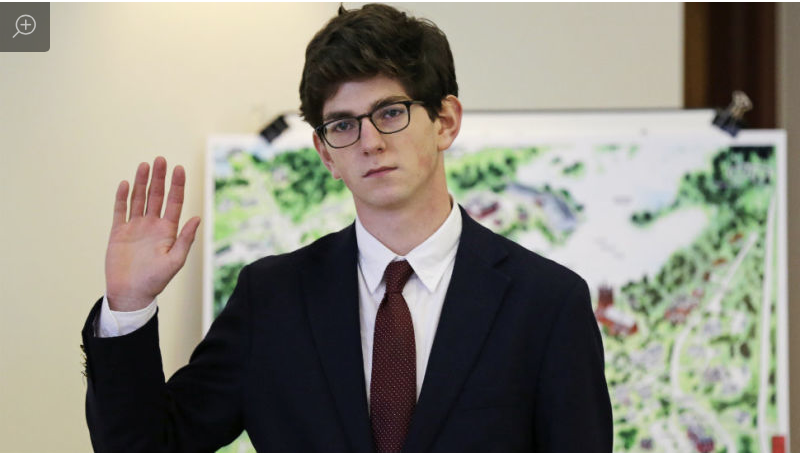
The image came from a website called, conveniently, JEZBEL. Cannot make this shit up.
A year in jail? He’s a kid. She’s a kid. What do either of them know? They both have a lot to learn. But jail? A year in jail?
The judge sentenced the kid to incarceration, avoiding being sentenced himself. Soft on crime. Insensitive to victims of domestic violence. Too cognizant of the power of the monied.
A sidetone: many years ago when I worked hard as a trial lawyer, I tried a sexual assault case in the Bronx. Lawyers had avoided these cases and the Administrative Judge, Billy Kappelman, literally roamed the halls, robed, with his Law Secretary, looking for lawyers to try these cases. The bureau chief of the newly created sex crimes bureau had a ton of cases, evidence laws had been skewed to protect the accuser (who was still called a victim) and lawyers felt queasy asking questions about what went on below the waste, especially if it wasn’t face to face. And, most of these guys were in jail, unable to make bail. Judges kept them in to avoid being chastised for being soft on the victimization of women, despite most of the crimes are “he said, she said”.
These were assigned cases and when you are building a practice, you need the experience trying cases, so you do it. Every witness who testifies that your client did it is a tough one to question and it doesn’t matter if it’s a murder or a rape or a urinating in public. You do it, because it’s the 6th Amendment and all accused are entitled to counsel and a trial. It’s also one of those reasons the system for appointing Public Defenders and Assigned Counsel is assailed: you don’t always get the most experienced attorneys. Sometimes, no, not so much anymore, you get indigent attorneys representing indigent defendants. It’s not that I was a babe-before-the -bench; I had 20 trials under my belt. But poor people cannot afford Ben Brafman and Ben Brafman cannot afford to represent people who don’t have money.
Well, the case went in poorly. All the complainants prior sexual experience discovered through diligent investigation had been excluded. She came in dressed and prepared. A social worker and cop watched from the front row, lending credibility to the process. If they, the system believed her, you, the jury should too.
Every question I asked on cross brought a grimace or an objection. She stopped to sob or cry, bringing the ADA to their feet with a hankie. After getting the best version of the events I could, I stopped. Then, my client took the stand, with my approval and to the consternation of the ADA. He told his story. And the ADA couldn’t budge him.
What really happened? Who knows? Truth? What is truth? It’s always distorted, even if under oath. The prosecutor argued that, “… of course he would say that. He’s on trial. He’s the one who could be convicted. He’s a rapist.” Yada, yada, yada. Did you hear the questions asked by his attorney, an argument that put me on trial, like I was somehow promoting sexual violence by defending him. Weren’t you listening. Did you see her pain. She will live with this forever. The violence. The shame.
In substance the ADA posited that why would a woman come here and testify if she weren’t telling the truth? CODE – she talked about having a penis in her vagina, a personal thing, a private, intimate event to a group of strangers. Truth! What the witness said was the truth and you must convict.
Me. I argued the law, the medical reports and the fact that everyone was equal here and there was no way to understand how the incident happened or how it ended with any degree of certainty. I humanized my client, not an easy task, suggesting that she picked him up, not the other way around. So, if you didn’t like him, too bad, she got him to take her home. He’s thinking sex. Who knows what she’s thinking? In the South Bronx, you didn’t go to talk about Homer or Voltaire in those days. And, if you want to know who showed courage here by testifying, it was him, not her. He’s the victim, not the other way around.
No vaginal tearing. No bruises. No scratches, except on him. And it took place in his apartment, a place she went voluntarily.
The jury acquitted in less than an hour. They hesitated after the Judge’s instructions to have lunch and schmooze. I never talked to jurors after a verdict. It never teaches you anything about juries or the system, except not to listen to them. One juror, a middle-aged, middle class woman, walked over to my client as she was leaving the courtroom, shook his hand and whispered in his ear, “Be more careful with the next woman.”